CALL
089 978 2504
Assist Therapy
Counselling and Psychotherapy
Stress
Stress is a psychological or emotional state that triggers a physical response under demanding or adverse circumstances. When this form of resistance begins, paying attention to specific physiological warning signs is essential. Stress activates the fight or flight response, which releases chemicals and hormones, that provide the body with a rush of energy in preparation for physical action.
The main causes of stress:
Interpersonal conflict
Bereavement
Divorce and separation
Job-loss and work-related issues
Financial insecurity
House move
Health and physical issues
Personal or collective trauma
Emotional issues
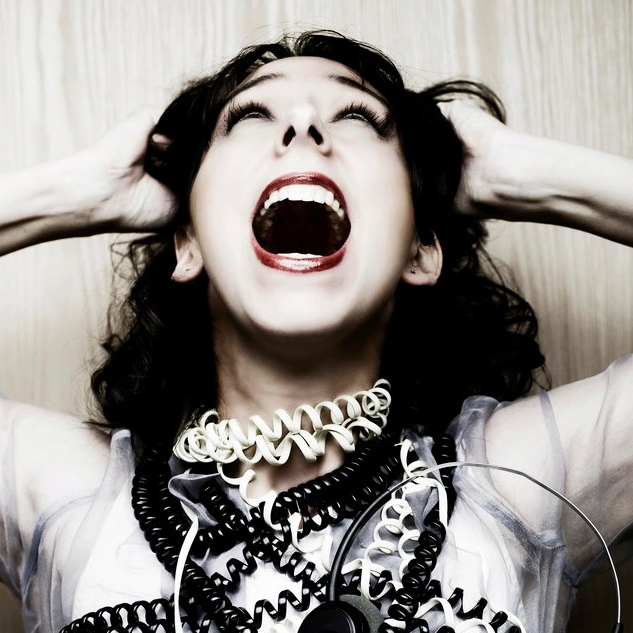
Symptoms of burnout:
Physical/emotional exhaustion
Cynicism/detachment
Depression
Energy depletion
Feelings of ineffectiveness
Prolonged fatigue
Inability to concentrate
Feelings of personal inadequacy
Feelings of professional incompetence
Effects of stress
Known as the number one killer, scientific studies have revealed the detrimental effect that high stress levels have on physical health. As stress weakens the immune system, in severe cases it is seen as a foundational component of many health conditions. If unmanaged, chronic stress can also be a contributory factor in cancer, high blood pressure, heart disease, obesity and diabetes.Aside from the physiological symptoms ascribed to stress, the emotional, behavioural and psychological disturbance can be immense.

Because anxiety is a normal response to an adverse or unfamiliar situation, most people experience it in varying degrees throughout life. Anxiety is crucial for survival in a critical situation, as the adrenaline released from the fight-or flight response, helps us to respond to stress or danger. Anxiety only becomes a problem if it is counter-productive. Unnecessary and unrealistic anxiety can be extremely problematic as it causes physiological, emotional, psychological, and behavioural alterations. Because of fearful expectations either prior or during an event, anxiety can affect functionality, behaviour and performance.
When looking at a bridge collapse in comparison, such a structure can only withstand a certain amount of pressure before the metal begins to weaken. When the tension then exceeds the bridges capacity to withstand the pressure, what is referred to as ‘snapping’occurs. When a person’s tension levels considerably intensify, without the appropriate tools to fix the problem, similar to the bridge, the individual will almost always crumble from the weight.
 Assist Therapy